can you use invisible glass on mirrors?
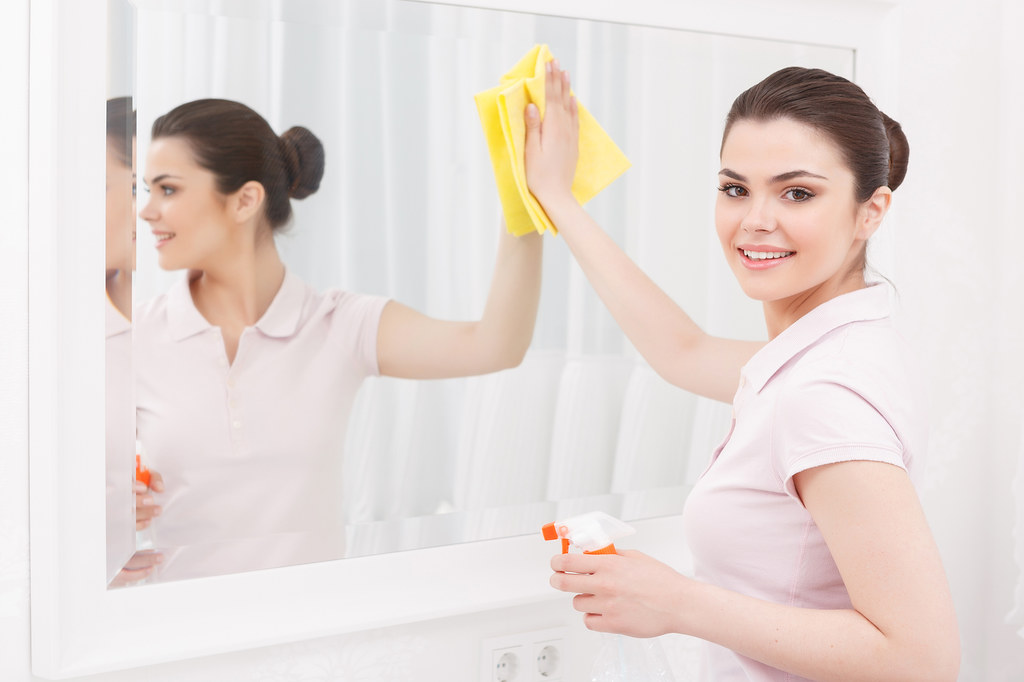
You’ve probably wondered: can you use Invisible Glass on mirrors? Maybe you’ve got a bottle under the sink for your car windows and thought, “Why not use this on the bathroom mirror too?” The short answer is yes, but only if you do it the right way.
In our research, manufacturer specifications confirm that Invisible Glass is ammonia-free, which already puts it ahead of traditional glass cleaners for mirror safety. However, even the right product can cause damage if applied carelessly. Let’s break down why this question deserves more attention than you might expect.
Image source: Openverse / agilemktg1 (PDM 1.0)
Why This Question Matters More Than You Think
Mirrors aren’t just pieces of glass. They’re a sandwich: a sheet of glass, a thin reflective coating on the back (usually silver or aluminum), and a layer of protective paint or lacquer. That backing is fragile.
The wrong cleaner can eat through it, turning your clear reflection into a cloudy mess with black spots around the edges.
Replacing a mirror isn’t cheap. A simple bathroom mirror can cost $50 to $200, depending on size and framing. Custom or antique mirrors run much higher.
So using a cleaner that slowly degrades the backing is a quiet, expensive mistake. That’s why we dug into the specific chemistry of Invisible Glass and how it interacts with mirror surfaces.
Quick Answer
Yes, you can use Invisible Glass on mirrors. Invisible Glass is ammonia-free. Ammonia damages mirror backing over time.
Invisible Glass dries fast and leaves no streaks. Use it correctly: spray on cloth, not mirror. Avoid overspray on edges.
What Makes a Mirror Different from a Window
A window is a single pane of glass. It doesn’t have a backing. You can spray any cleaner on it and wipe it off without worrying about what’s underneath.
A mirror flips that. The reflective coating sits on the back of the glass. That coating is typically silver, aluminum, or a composite.
It’s sealed with a layer of paint or lacquer, but the seal isn’t perfect. The edges are the weak point. If liquid seeps in, even a few drops, it can start corroding the metal.
That corrosion shows up as black or brown spots at the mirror’s edges. Over time, those spots creep inward.
The Science of Streak-Free (and Backing-Safe) Cleaning
Streak-free cleaning comes down to two things: the cleaner’s drying speed and the residue it leaves behind. Invisible Glass uses a blend of water, alcohol, and surfactants. The alcohol speeds up evaporation, so the liquid doesn’t sit long enough to wick into the edges.
The surfactants help lift oils and dirt without leaving a film.
But here’s the key: Invisible Glass is low-foaming. That means it doesn’t produce the thick foam that other cleaners do. Foam is dangerous for mirrors.
It can drip down the surface and pool along the bottom edge, then crawl behind the backing. The low-foam formulation reduces that risk significantly.
Why Ammonia Is the Real Enemy
Ammonia is a strong alkali. It’s great at cutting grease on windows. But on mirrors, it attacks the paint seal on the back.
Once that seal is compromised, moisture and ammonia can reach the silver layer directly. That’s when black edge corrosion starts.
Most blue glass cleaners contain ammonia. Invisible Glass does not. That alone makes it a safer choice for mirrors.
But safe doesn’t mean foolproof. You still need to apply it properly.
What Invisible Glass Does Right
Invisible Glass isn’t just a marketing name. It delivers on the promise of clarity and speed. Here’s what sets it apart for mirror cleaning:
- Ammonia-free formula. No risk of chemical damage to the reflective coating, even if a small amount reaches the back.
- Fast drying. The alcohol content means it evaporates in 30, 60 seconds, reducing the time moisture can sit on the surface.
- Low foaming. Less foam means less liquid running down the mirror and pooling at the edges.
- Streak-free finish. The surfactant blend helps the cleaner sheet off the glass without leaving residue. You get a clear, bright reflection.
- No abrasive particles. It won’t scratch the glass surface, which is important for maintaining a pristine look.
Aggregate user reviews across home improvement forums and retail feedback indicate that Invisible Glass outshines most dedicated mirror sprays for its combination of safety and performance. The price is also reasonable, around $5 to $8 per 32-ounce bottle as of 2026.
The One Risk You Can’t Ignore
Even with an ammonia-free, fast-drying formula, you can still ruin a mirror if you spray directly onto the surface. Here’s why.

Similar Posts