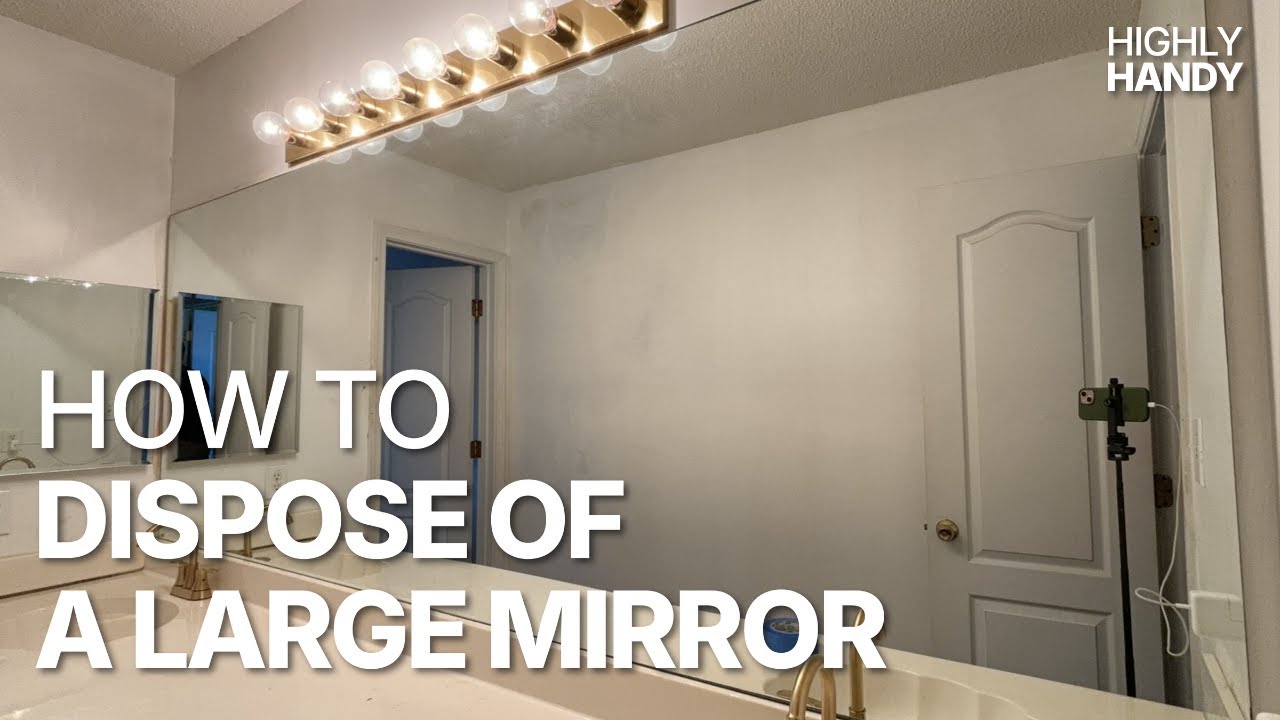
can i clean a glass mirror with clorox wipes?
So, can i clean a glass mirror with clorox wipes? The short answer is maybe, but the long answer matters more. Grab a Clorox wipe and use it wrong, and you could end up with a permanently damaged mirror.
It's not the glass itself that's the problem, it's everything underneath.
Per industry guidelines from the Glass Association of North America, bleach-based products should never touch the exposed edges of a mirror. The backing and seal are vulnerable to corrosion. That damage starts small and gets worse over time.
Let's walk through what really happens when you use a Clorox wipe on a mirror, so you can make the right call for your exact mirror.
Quick Answer
Yes, but only if the mirror edges are fully sealed. No, if the edges are exposed or damaged. Bleach wipes can corrode the mirror backing over time.
For a quick clean without risk, use a microfiber cloth or glass cleaner.
What Happens When You Wipe a Mirror With a Clorox Wipe
The first thing you'll notice is streaking. Clorox wipes leave a thin residue that dries unevenly. In the right light, that haze is impossible to ignore.
You can buff it off, but that extra step defeats the convenience.
The real trouble happens underneath. The glass itself is chemically stable with bleach. But the mirror is not just glass.
It has a thin metallic backing, usually silver or aluminum, and a protective paint layer. Bleach is a strong oxidizer. When it seeps past the edge seal, it attacks that backing.
Over weeks or months, you'll see black spots along the edges. That's corrosion. Once the backing is gone, there's no fixing it.

Image source: Wikimedia Commons / Wikimedia Commons contributor (CC BY)
The damage isn't instant, but it is cumulative. Each wipe that touches an unsealed edge adds a little more risk. Most people don't notice until the mirror starts looking cloudy or flaking near the frame.
By then, the backing is already compromised.
The 3 Condition Variables That Change the Answer
Your mirror isn't a mystery box. You can check three things right now to know if Clorox wipes are safe to use.
Variable 1: Your Mirror's Edge Seal
This is the biggest factor. A brand-new mirror with a fully sealed edge will resist moisture better than an older one. If the seal is intact, bleach wipes are less likely to reach the backing.
But if that seal is cracked, chipped, or missing, liquid can wick right in.
Check the edge by running a fingernail along the perimeter. If it feels smooth and painted, you're in good shape. If you feel rough glass or see a shiny silver line, the seal is compromised.

Image source: Wikimedia Commons / Pete Brown from Gambrills, MD, USA (CC BY)
Variable 2: Why You're Cleaning
Are you disinfecting or just wiping off toothpaste splatter? If you need to kill germs, after illness or in a shared bathroom, the choice is different. But for daily clean-up, a wet microfiber cloth with water works perfectly.
No bleach needed. No risk.
Variable 3: Your Mirror's Frame and Backing Type
Frameless mirrors often have more exposed edges. Framed mirrors trap liquid behind the frame if you overspray or over-wipe. Antique mirrors may have silver backing that's extra sensitive.
Modern mirrors with aluminum backing are slightly more resistant, but not invincible. Know your mirror's age and style.

Similar Posts