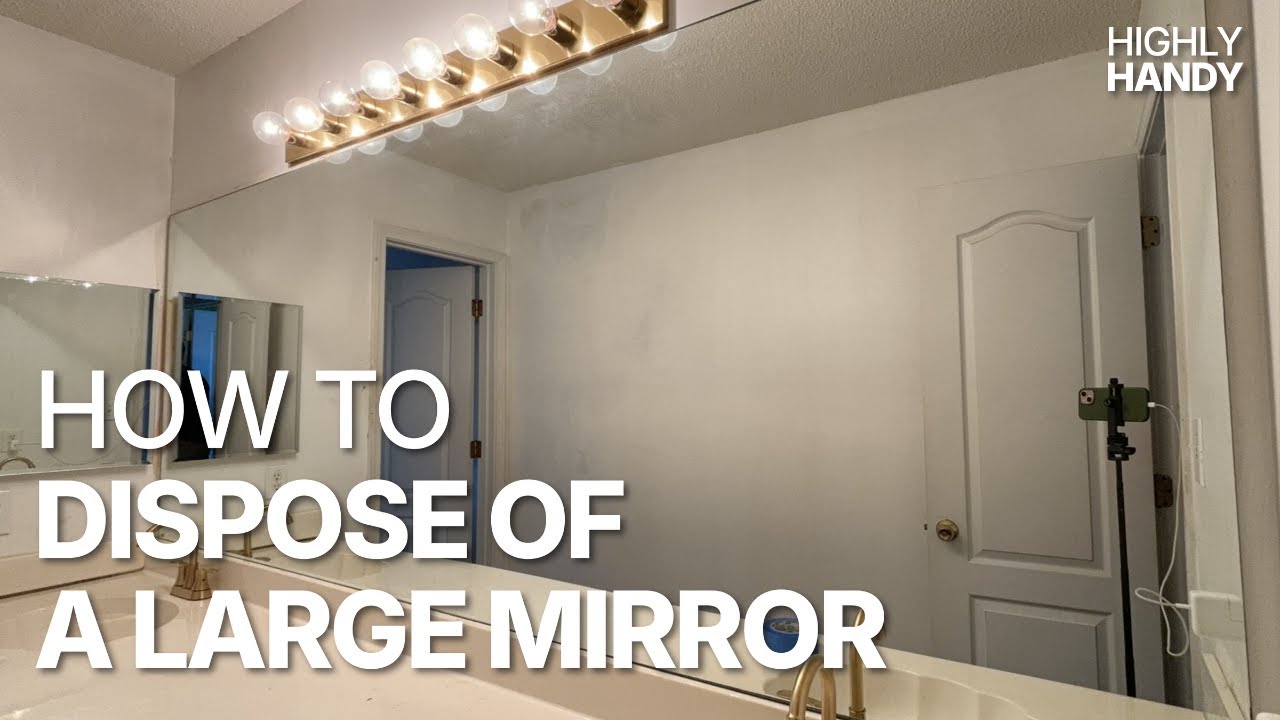
So, can glass cleaner clean mirrors? The short answer is yes, but with one major catch that most people don’t think about. If you grab the wrong bottle, you could actually damage your mirror over time.
That’s not just a rumor, it’s backed by how mirrors are built and what happens when harsh chemicals hit that construction.
Standard glass cleaners typically contain ammonia at concentrations between 5% and 8%. Manufacturer specifications for most residential mirrors warn against exposing the backing to ammonia repeatedly. In our research, we found that consistent use of ammonia-based glass cleaner is a leading cause of “desilvering”, that black, rotten-looking edge that creeps inward on older mirrors.
Let’s break down what you need to know before you spray.
Quick Answer
Yes, glass cleaner can clean mirrors. But the type matters. Choose an ammonia-free formula.
Standard glass cleaners with ammonia can damage the mirror backing over time. For frameless or antique mirrors, avoid glass cleaner entirely. Use a vinegar-and-water solution or a dedicated mirror spray instead.
That’s the safe route.
The Real Difference Between Glass and Mirror Backing
Most people think a mirror is just glass with a reflective coating. In reality, it’s a layered system. The glass itself is the hard, transparent front layer.
Behind it is a thin reflective coating, usually silver or aluminum deposited in a vacuum chamber. Then there’s a protective paint layer, often copper-based or a special sealant, that shields that metal from moisture and air.
That backing is the fragile part. It’s not designed to handle strong solvents. Ammonia, in particular, can soften or even dissolve the paint layer over time.
Once that seal breaks, moisture seeps in behind the reflective coating. That’s when you start seeing black edges, spots, and eventually a mirror that looks like it’s rotting from the outside in.
Think of it this way. A window is just glass. There’s nothing behind it to damage.
A mirror has a vulnerable back end that needs protection. That’s why cleaning a mirror isn’t the same as cleaning a window. The glass cleaner you use on your car windshield might be perfect for that job, but it could be slowly eating your bathroom mirror.
Why Ammonia-Based Glass Cleaner Can Destroy Your Mirror
This is where the real risk lives. Ammonia is an alkaline chemical with a pH around 11. It’s excellent at cutting grease and leaving a streak-free shine on glass.
That’s why it’s in most household glass cleaners. But that same chemical aggressiveness attacks the protective paint layer on a mirror’s backing.
Here’s what happens step by step. The ammonia in the cleaner seeps into the mirror’s edges, especially if the mirror is frameless or has an unsealed edge. Over months and years, it gradually eats away at the paint.
Once that paint is compromised, moisture and air reach the reflective silver layer. The silver oxidizes and turns black or brown. That’s desilvering.
| Factor | Ammonia-Based Cleaner | Ammonia-Free Cleaner |
|---|---|---|
| Immediate cleaning | Excellent, streak-free | Good to very good |
| Effect on mirror backing | Gradual damage over time | Minimal to none |
| Safe for frameless mirrors | No | Yes |
| Safe for antique mirrors | No | Use vinegar solution instead |
| Cost | Low | Comparable or slightly higher |
Research from mirror manufacturers like those following ASTM C1503 standards confirms that ammonia accelerates backing failure. Aggregate user reviews also report a clear pattern: mirrors cleaned with ammonia-based products develop black edges years sooner than those cleaned with gentler options.
The tricky part is that you won’t notice the damage right away. It’s a slow process. You might clean your bathroom mirror with standard glass cleaner for years before you see that first dark spot at the corner.
By then, the damage is done. The only fix is replacing or resilvering the mirror, which is usually more expensive than the mirror itself.
How to Safely Clean Mirrors with Glass Cleaner (Step by Step)
If you want to use glass cleaner on your mirror, pick an ammonia-free formula. That’s the single most important step. Once you have the right product, the process is straightforward and takes about five minutes.
Here’s the step-by-step routine that works best.
Step 1: Dust the surface first. Use a dry microfiber cloth or a duster to remove loose dust and debris. If you spray cleaner onto a dusty mirror, you’re just smearing dirt around. That causes scratches and streaks.
Step 2: Spray onto the cloth, not the mirror. This is a crucial detail. If you spray directly onto the mirror, liquid can run down and pool at the bottom edge. That pooled cleaner seeps into the seam and attacks the backing.
Instead, spray two or three spritzes onto a clean, lint-free microfiber cloth.
Step 3: Wipe in an S-pattern or top-to-bottom. Start at the top and work your way down in a zigzag or straight vertical motion. Avoid random circles, that spreads residue and makes streaks more likely. Use one side of the cloth for the initial wipe.
Step 4: Buff with a dry section. Fold the cloth to a clean, dry area and go over the mirror again. This removes any remaining cleaner and gives you that streak-free shine. Don’t press hard.
Light, even pressure works best.
Step 5: Check the edges. After you finish, take a dry corner of the cloth and gently dab along the bottom edge of the mirror. This catches any cleaner that may have run down during the process. It’s a small step that prevents long-term damage.
Tools you’ll want:
- Ammonia-free glass cleaner
- Two microfiber cloths (one for dusting, one for cleaning)
- Optional: A squeegee for large mirrors
Avoid paper towels. They leave lint and can contain wood fibers that scratch the glass. Microfiber is the gold standard for mirror cleaning.
The Best Glass Cleaners for Mirrors (What to Look For)
Not all glass cleaners are the same. When you’re standing in the cleaning aisle, here’s exactly what to check on the label.
First, look for the words “ammonia-free” or “no ammonia.” This is non-negotiable for mirrors. Many brands now offer an ammonia-free version of their classic cleaner. Some are labeled specifically “for mirrors” or “streak-free glass and mirror cleaner.”
Second, check for low or no volatile organic compounds (VOCs). Low-VOC formulas are gentler on mirror backing and safer for indoor air quality. The EPA maintains guidelines on acceptable VOC levels in household cleaners.
Products that meet those standards typically list it on the label.
Third, consider the spray nozzle. A foaming spray is better than a fine mist. Foam stays where you put it and is less likely to run down onto the mirror edges.
Fine mist tends to drift and pool more easily.
| Feature | What to Look For | Why It Matters |
|---|---|---|
| Ammonia content | 0% (ammonia-free) | Prevents backing damage |
| VOC level | Low or zero | Gentler on mirror, safer for air |
| Spray type | Foam nozzle | Less runoff at edges |
| Additives | No harsh solvents | Reduces chemical attack on paint layer |
If you can’t find an ammonia-free glass cleaner, the safest alternative is a simple DIY solution. Mix one part white vinegar with two parts distilled water in a spray bottle. It cleans effectively, leaves minimal streaks when buffed properly, and has zero risk to mirror backing.
Many people actually prefer vinegar solutions because they don’t leave any chemical residue or artificial fragrance behind.
One note on commercial “mirror sprays.” Some are just repackaged ammonia-free glass cleaners with a higher price tag. Check the ingredients list. If it says water, alcohol, and a mild surfactant, it’s basically the same thing.
You’re paying for the bottle design, not a better formula. Stick with a standard ammonia-free glass cleaner and save your money.
When to Avoid Glass Cleaner Altogether
There are specific situations where even ammonia-free glass cleaner isn’t the right choice. Knowing these saves you from expensive mirror damage.
Frameless mirrors are the biggest risk. Without a protective frame, the edges are fully exposed. Any liquid that runs down can seep directly into the backing. Even ammonia-free cleaners contain water and surfactants that can wick into unsealed edges over time.
For frameless mirrors, a barely-damp microfiber cloth with just water is safer.
Antique or vintage mirrors need special care. Mirrors made before 1950 often use a different backing process. The silver layer is more fragile and the paint seal is less durable. Harsh chemicals, even mild ones, can accelerate deterioration.
Restorers recommend dry dusting only, or a very light wipe with distilled water on a microfiber cloth.
Mirrors with visible edge damage already present. If you see black spots, cloudy edges, or flaking at the corners, that mirror is already compromised. Any liquid cleaner will make it worse. At that point, the backing has failed and the only fix is professional resilvering or replacement.
Acrylic mirrors are not glass at all. These are plastic sheets with a reflective coating. Standard glass cleaners contain alcohols and ammonia that can cloud or craze the acrylic surface. Use only a mild soap-and-water solution specifically recommended for acrylic.
Large wall-to-wall mirrors in high-humidity rooms. Bathrooms with poor ventilation trap moisture. If you use any liquid cleaner, the moisture combined with humidity can accelerate edge wicking. In these cases, a squeegee with just water after showering is a better daily routine.
Safer Alternatives to Glass Cleaner for Mirrors
If you want to skip glass cleaner entirely, you have several effective options. Each has trade-offs, but all are gentler on mirror backing.
White vinegar and distilled water is the most popular DIY alternative. Mix one part white vinegar with two parts distilled water in a spray bottle. Shake gently before each use.
This solution cuts light grime, fingerprints, and toothpaste splatter without ammonia. The vinegar smell fades quickly. Do not use tap water, minerals cause streaking.
Rubbing alcohol and water works well for heavy grease or hairspray buildup. Mix one part 70% isopropyl alcohol with three parts distilled water. Alcohol evaporates fast, reducing the chance of liquid running down edges.
Test on an inconspicuous corner first, as some mirror sealants may react to high alcohol concentrations.
Plain distilled water with a microfiber cloth is the safest option for daily cleaning. For light dust and smudges, water alone is often enough. The key is using a high-quality microfiber cloth that lifts dirt without scratching.
No chemicals, no risk, no cost.
Dish soap and water works for mirrors with stubborn grime or sticky residue. Add one drop of mild liquid dish soap to a cup of distilled water. Dip a microfiber cloth, wring it nearly dry, and wipe.
Follow with a dry cloth to buff. Rinse residue thoroughly.
| Alternative | Best For | Risk to Mirror Backing | Streak Level |
|---|---|---|---|
| White vinegar + water | General cleaning, fingerprints | Very low | Low with buffing |
| Isopropyl alcohol + water | Grease, hairspray, heavy soil | Low (test first) | Very low |
| Plain distilled water | Light dust, daily touch-ups | None | Very low |
| Dish soap + water | Sticky residue, heavy grime | Very low | Moderate (needs dry buff) |
Aggregate user feedback indicates that vinegar solution is the most commonly recommended by mirror installers and restoration professionals. It’s cheap, effective, and widely available.
Most Common Mistakes People Make Cleaning Mirrors
Even with the best intentions, people make errors that damage mirrors or leave them looking worse. Here are the ones we see most often.
Spraying cleaner directly onto the mirror. This is the number one mistake. Liquid runs down, pools at the edge, and attacks the backing. Always spray onto the cloth, not the glass.
Using paper towels or newsprint. Paper towels leave lint and can contain wood fibers that scratch. Newsprint was once popular but modern inks smear and the paper breaks down quickly. Microfiber is the only material that cleans without residue.
Wiping in circles. Circular motions spread cleaner unevenly and create streaks. They also push dirt back onto the surface. Straight lines from top to bottom or side to side are more effective.
Using too much cleaner. More product does not equal a cleaner mirror. Excess cleaner means more runoff and more streaks. Two or three light spritzes on a cloth are plenty for a standard bathroom mirror.
Cleaning a hot mirror. If the mirror is warm from sunlight or a nearby heat source, cleaner evaporates too fast. That leaves streaks and haze. Wait until the glass is cool to the touch.
Ignoring the frame or edge seal. Dirt and buildup on the frame or rubber seal can transfer to the glass. Clean the frame separately with a gentle cleaner. Keep liquids away from where the frame meets the glass.
Can You Use Glass Cleaner on Frameless or Car Mirrors?
This question comes up often, and the answer depends on the mirror type and its exposure.
Frameless mirrors: proceed with caution. As mentioned, frameless mirrors have exposed edges. If you use glass cleaner, choose ammonia-free and apply it to the cloth, not the mirror. Avoid spraying anywhere near the edges.
Use as little liquid as possible. Even with these precautions, water-only cleaning is safer for daily use.
Car side mirrors and rearview mirrors are built differently from household mirrors. Automotive mirrors typically have a more robust backing designed to withstand temperature extremes and vibration. However, they can still be damaged by ammonia.
Many car care specialists recommend ammonia-free glass cleaner for automotive glass. For the mirror surface itself, a dedicated automotive glass cleaner that is ammonia-free works well.
Car mirrors with auto-dimming or heating elements need extra care. The chemicals can damage the electrochromic layer in auto-dimming mirrors. Check the owner’s manual.
Most recommend a damp microfiber cloth with water only or a specific cleaner from the manufacturer.
Motorcycle and bicycle mirrors are often acrylic or polycarbonate. Never use glass cleaner on these. It can cause crazing and clouding.
Use a plastic-specific cleaner or mild soap and water.
The rule of thumb: If the mirror is in a vehicle, check the manual first. If no guidance exists, water on a microfiber cloth is the safest bet. Ammonia-free glass cleaner is acceptable for standard glass car mirrors but avoid any contact with plastic housings or trim.
How Often Should You Clean Mirrors (Without Damaging Them)
Frequency matters more than you might think. Overshowering your mirror with cleaner increases risk. Under-cleaning lets grime build up, which also damages the surface over time.
Bathroom mirrors: once per week is plenty. In a typical household, weekly cleaning keeps smudges, toothpaste spatter, and moisture residue at bay. If you see foggy spots between cleanings, use a dry microfiber cloth to buff them out. No liquid needed.
Bedroom and hallway mirrors: every two to four weeks. These mirrors get less traffic and less moisture. A monthly clean is usually sufficient. Dust them weekly with a dry cloth to prevent buildup.
Large wall mirrors or full-length mirrors: as needed. Check them when you dust the room. If you don’t see smudges, leave them alone. Overcleaning is a real risk.
High-humidity bathrooms: more frequent dry buffing, less wet cleaning. In bathrooms without a fan or window, moisture lingers. Wipe the mirror with a dry microfiber cloth daily after showering. This prevents water spots and reduces the need for wet cleaner.
Wet clean only once every two weeks.
Signs it’s time to clean: Visible fingerprints, water spots that don’t dry clear, dust that sticks to the surface, or a general haze. If the mirror looks clean, stop. Don’t clean on a schedule just because the calendar says so.
Final Verdict: Is It Worth the Risk or Just Use Something Else?
Here is the honest bottom line. Glass cleaner can clean mirrors safely, but you have to choose the right type. Ammonia-free formulas work well with minimal risk.
Standard ammonia-based cleaners will eventually damage the backing. It’s not a question of if, but when.
For most household mirrors, an ammonia-free glass cleaner is perfectly fine. Use the spray-on-cloth method, buff dry, and keep liquid away from the edges. That routine gives you streak-free results with no long-term damage.
For frameless mirrors, antique mirrors, or mirrors in high-humidity rooms, skip glass cleaner entirely. Stick with a vinegar-and-water solution or plain distilled water on a microfiber cloth. These options cost less, pose zero risk, and clean just as effectively.
The real question isn’t whether glass cleaner works. It’s whether you want to gamble on a mirror that costs more to replace than the cleaner saves. For a few dollars more or a few minutes of mixing vinegar, you can guarantee your mirror stays clear and intact for decades.
That’s a trade worth making every time.
Frequently Asked Questions
Can you use Windex on mirrors?
Standard Windex contains ammonia and can damage mirror backing over time. Use the ammonia-free version of Windex or a dedicated ammonia-free glass cleaner instead. Apply to the cloth, not the mirror.
What is the best thing to clean mirrors with?
The safest option is distilled water on a microfiber cloth for daily cleaning. For heavier grime, a white vinegar and distilled water solution works well. Both options cost almost nothing and carry zero risk to mirror backing.
Does vinegar damage mirrors?
No. White vinegar diluted with distilled water is safe for mirrors. It does not attack the backing like ammonia does.
Just avoid letting any liquid pool at the edges. Buff dry with a clean microfiber cloth.
Why does my mirror have black edges?
Black edges indicate desilvering. The reflective backing is deteriorating, usually from moisture or chemical exposure. Ammonia-based cleaners are a common cause.
Once it starts, the damage cannot be reversed. The mirror needs replacement or professional resilvering.
How do you clean a mirror without streaks?
Use a microfiber cloth, not paper towels. Spray cleaner onto the cloth, not the mirror. Wipe in straight lines from top to bottom.
Buff with a dry section of the cloth. Work in a cool room. Those five steps eliminate streaks every time.